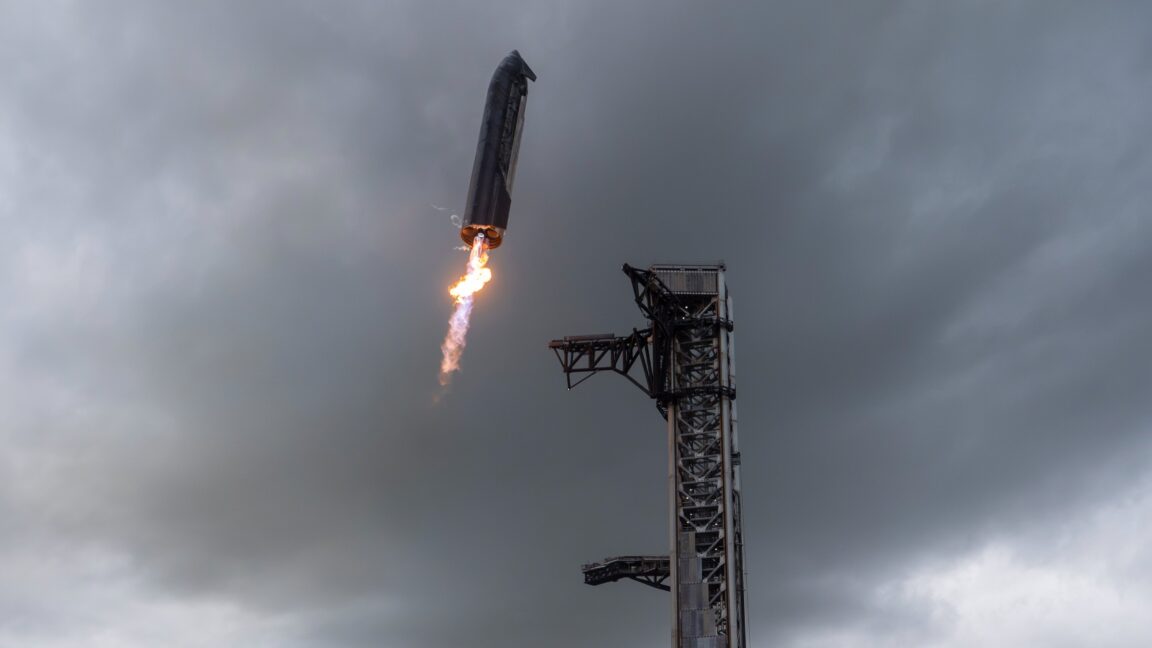
SpaceX's successful tower catch of Starship in South Texas moved the rocket closer to rapid reusability, but timelines for human spaceflight remain deeply uncertain. All public estimates should be taken with skepticism, the report notes, given a track record of missed targets.
The first humans to fly on Starship will likely be NASA astronauts on lunar missions, not Earth-based flights. SpaceX and NASA signed an agreement in 2021 to develop Starship as a "Human Landing System," with the lunar landing target now set for 2028, moved from an original 2024 date. The report calls this plausible but not certain.
For commercial human spaceflight from Earth, SpaceX has privately told interested parties it could begin offering flights by 2029, though the report cautions against placing stock in that date. SpaceX's original 2024 target for human Mars missions and a 2023 lunar flyby mission both failed to materialize. A lunar flyby mission announced in 2022 with Dennis Tito was canceled in 2024.
The Federal Aviation Administration does not certify commercial spacecraft for safety but instead operates under an informed consent framework. This means SpaceX could theoretically launch humans on its own spacecraft within years once it achieves reliable launches, without the detailed human-rating requirements NASA imposes. However, certifying Starship's atmospheric reentry and propulsive landing for humans without a traditional launch escape system presents major challenges.
SpaceX currently prioritizes revenue-generating activities like launching Starlink satellites over human spaceflight development. The company showed little interest when private space station operators approached it about using Starship for crew transport. The author estimates humans will not land on Earth inside Starship before 2030, and plausibly not until the mid-2030s.