SpaceX plans to attempt history this weekend by recovering all components of a Starship orbital rocket, with an upper stage landing attempt 22.5 hours after Friday's launch from Starbase, Texas.
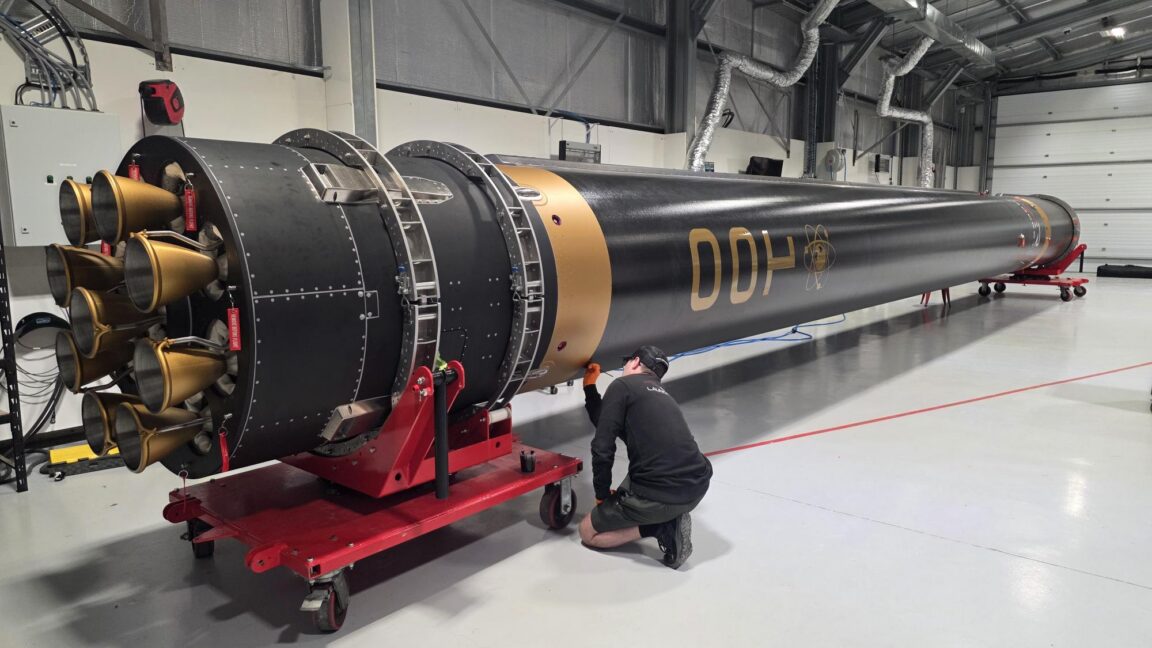
Rocket Lab's Electron reached a milestone with its 100th mission scheduled for November 14 from the Mahia Peninsula in New Zealand. The flight, named "The Mountain God Rises," will deploy an iQPS synthetic aperture radar satellite. The rocket features special gold-and-black livery to mark the achievement.
Italian rocket builder Avio outlined additional investment needed to increase Vega C annual launch cadence from four to six, then nine flights per year. The funding requirements raise questions about whether expanding Vega C production makes sense when Ariane 6 already demands the equivalent of an entire year's worth of Vega C solid rocket boosters per single launch.
Firefly Aerospace announced a multi-launch agreement with Japanese satellite company Synspective for up to 10 Alpha rocket launches through 2030. The 1,000-kilogram-to-low-Earth-orbit vehicle will deploy two Synspective SAR satellites per mission, totaling up to 20 satellites. Launches will occur from Wallops Flight Facility in Virginia and Vandenberg Space Force Base in California. CEO Jason Kim said Alpha's "1-ton payload capacity and responsive launch capabilities" made it a fit for Synspective's needs.
Stoke Space announced a multi-launch agreement with Planet Labs but did not disclose terms, total launch count, or cost. The agreement suggests recurring demand as Planet launches regularly to expand and replenish its Earth-imaging satellite fleet.
The Pentagon's Office of Strategic Capital issued a $150 million conditional loan to Stoke Space for a second launch pad at Cape Canaveral and a $150 million loan to Rocket Lab to increase Neutron rocket flight rates. The loans follow SpaceX's plan to retire its Falcon rocket program.
Rocket Lab raised Neutron pricing from $55 million to $70 million per dedicated launch, citing strong demand and constrained capacity. CEO Peter Beck said "strong international demand and a growing launch manifest" drove the increase. Customers' next Neutron availability extends into the 2030s.
AST SpaceMobile founder Abel Avellan unveiled plans for Blacklift, a rocket designed solely to launch five Bluebird satellites. Avellan described the rocket as "simple," stating "you can simplify it as a big tank feeding engines." Blacklift will have 20 metric tons of lift capacity, a reusable first stage, and launch twice monthly from a Virginia pad that formerly served Antares.
Firefly CEO Kim said the company is "heads down on Eclipse" and working to deliver the first stage to co-developer Northrop Grumman, with over 175 hot fires completed on the Miranda engine.