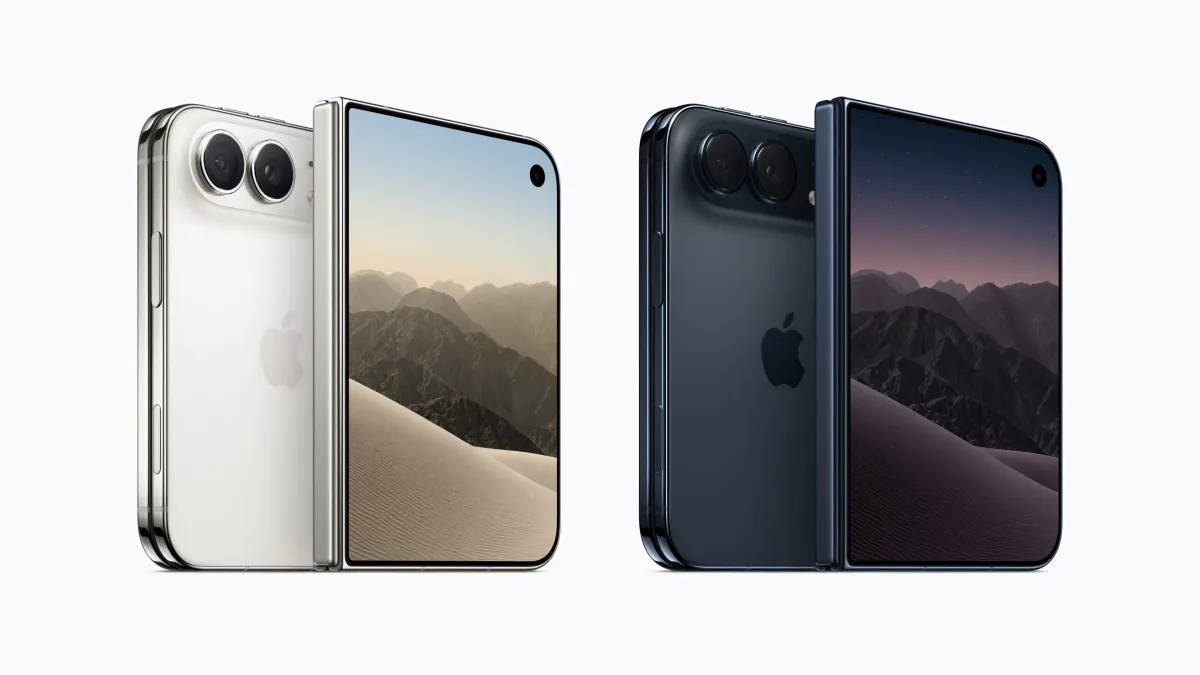
Apple's iPhone Duo has run into a durability wall just weeks after launch. Early adopters report cracked screens on the foldable device, sparking frustration in forums and social media. The complaints center on the hinge area and the foldable display itself, raising questions about whether Apple rushed the product to market without sufficient stress-testing.
The iPhone Duo represents Apple's first major bet on foldable smartphone technology. The device features a flexible OLED display that folds in half, targeting users who want tablet-sized screens in pocket form. Apple priced the device aggressively at entry-level foldable rates, betting on volume and brand loyalty to drive adoption. Early reviews praised the industrial design and software integration, but hardware durability concerns now threaten the narrative.
The cracking reports come from a limited subset of users so far, but they reflect a pattern familiar to the foldable smartphone category. Samsung's Galaxy Z Fold series experienced similar screen issues during its first two generations. Google's Pixel Fold launched with widespread hinge durability complaints that persisted for months. Motorola's Razr foldable also suffered high defect rates initially. Apple's entry into the space doesn't exempt it from the same materials science and engineering challenges that have plagued competitors.
The hinge mechanism represents the engineering bottleneck. Folding a glass display millions of times without failure requires precision tolerances measured in fractions of millimeters. Dust intrusion, temperature fluctuations, and manufacturing variability all degrade performance over time. Apple's vertical integration gives the company more control than Samsung or Google over both hardware and software, but the laws of physics still apply.
User sentiment has shifted rapidly online. Early enthusiasm gave way to anxiety as crack reports accumulated. Reddit threads discussing the issue drew thousands of comments from prospective buyers weighing whether to wait for a second-generation device or stick with traditional smartphones. The durability concerns hit hardest with price-conscious buyers who justified the iPhone Duo cost based on longevity expectations tied to Apple's brand reputation.
Apple has not issued a public statement addressing the failures, but sources suggest the company is examining whether cracks stem from manufacturing defects, design flaws, or user mishandling. The distinction matters for warranty claims and long-term product perception. If defects prove systemic, Apple faces pressure to issue a recall or extend warranty coverage. A widespread durability issue could undermine confidence in foldable technology itself and delay mass-market adoption by years.
The company will likely deploy software-based mitigations, like screen-off reminders about proper handling and hinge maintenance warnings. Hardware revisions for subsequent production batches may follow if root cause analysis implicates specific components. Apple's supply chain efficiency usually allows rapid fixes, but public trust damage from durability failures proves harder to reverse than manufacturing problems.
This moment tests whether Apple's brand cache and engineering reputation can overcome the inherent fragility of folding glass displays. Competitors faced similar tests and mostly survived through improved second-generation designs and customer communication. Apple's response will determine whether the iPhone Duo becomes a category-defining device or a cautionary tale about moving too fast with immature technology.