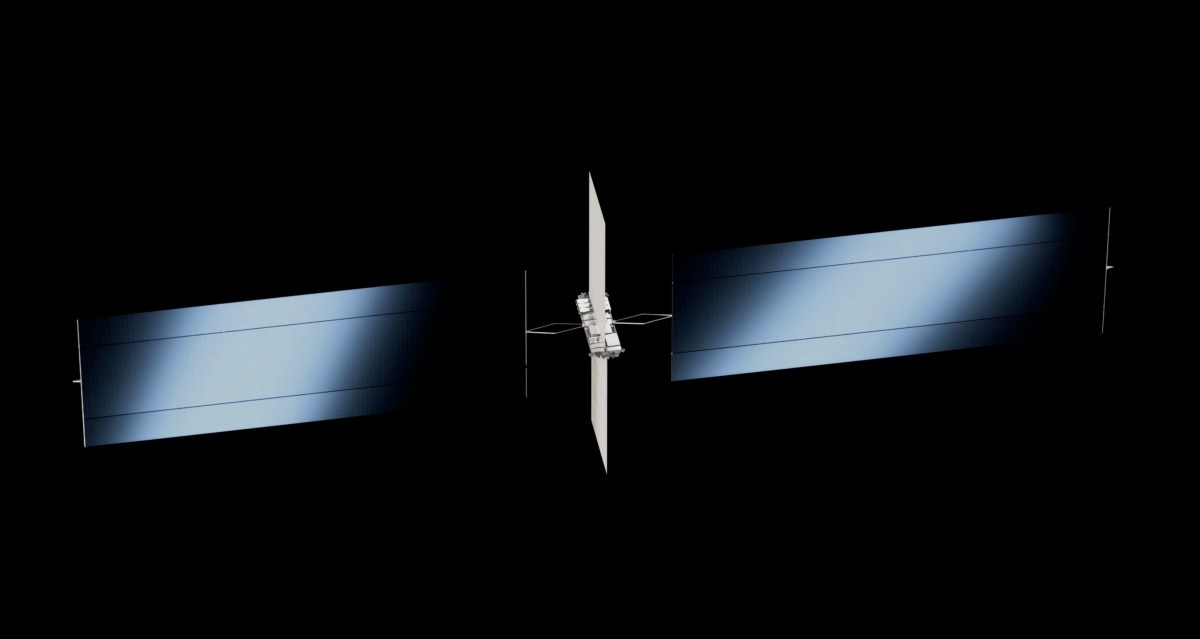
SpaceX faces a financing challenge for its orbital data center ambitions. Lenders behind the company's $40 billion chip financing deal requested that none of the purchased chips be used for SpaceX's space-based data center plans, according to the Financial Times. It remains unclear whether SpaceX agreed to this provision.
The obstacle stems from how data center financing works. Cloud providers typically use chips as collateral for debt. If borrowers default, lenders can repossess and resell the hardware. But repossessing chips from a satellite orbiting 300 miles above Earth at 17,500 miles per hour is not feasible. Used chips retain value, with some H100s selling for about half their 2023 cost basis and certain H200 configurations matching their 2024 introduction price, according to Compute Credit Index Research.
SpaceX's near-term strategy focuses on terrestrial ground stations rather than orbital infrastructure. CEO Elon Musk said the company deployed engineers from its rocket team to accelerate that build-out, taking on challenges like casting turbine blades for generators faster than existing suppliers. Musk claimed at the beginning of 2026 that space will be the "cheapest" place to operate data centers in two to three years. This would require Starship to fly in a fully reusable configuration, which hasn't yet been achieved. In its most recent flight test, SpaceX failed to recover the booster stage but succeeded in landing the orbital stage at its Texas launch facility.
SpaceX also faces land and power constraints for terrestrial expansion, with many projects encountering delays and local opposition. Other companies pursuing space data centers include StarCloud, Cowboy Space Corporation, Sophia Space, and Orbital. SpaceX and Tesla are developing Terafab, a chip foundry in the U.S., but the project has not broken ground and will require years and billions before producing semiconductors at scale. Google is deploying its own TPU chips in space through Project Suncatcher.