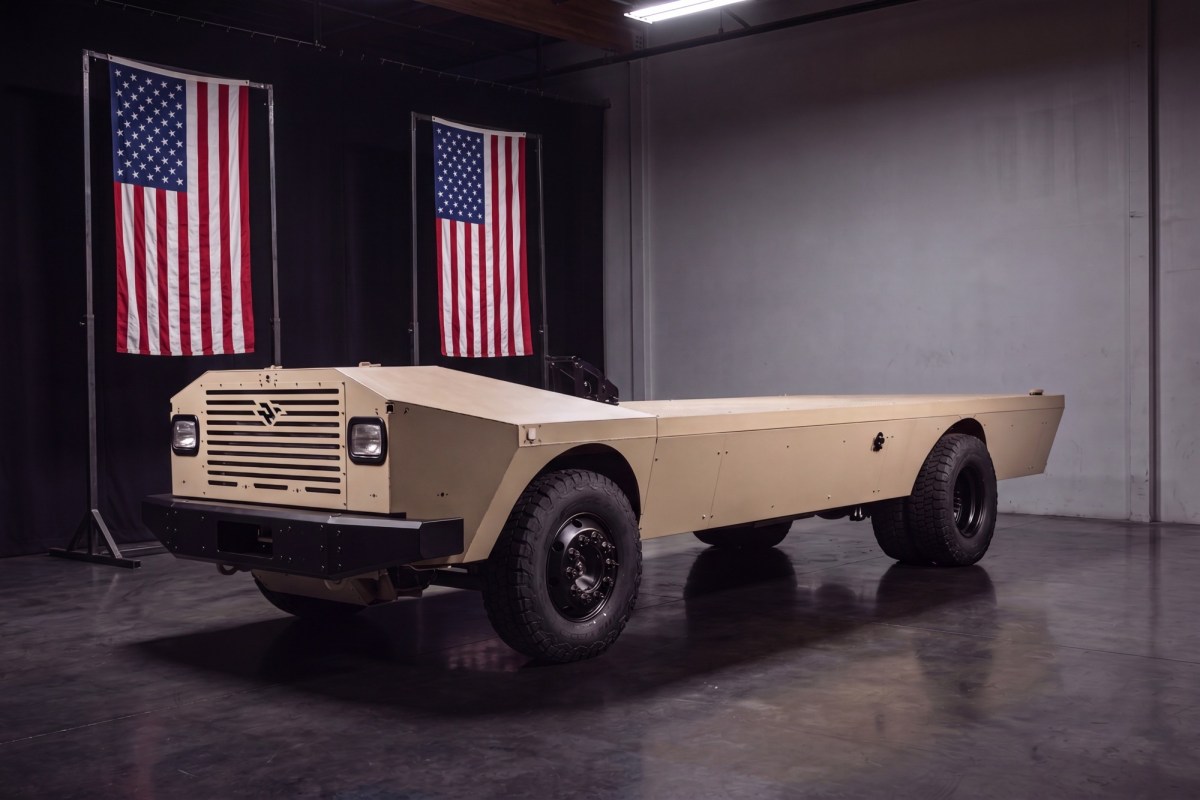
Harbinger has just raised $240 million in Series D funding, and on the surface, this looks like a validation story. The Los Angeles-based electric truck company—founded in 2022 by former employees of Canoo and QuantumScape—is expanding into battery storage and defense applications. It's raised more than $650 million to date. Tiger Global, Ridgeline, and FedEx are backing it. On paper, this is a company firing on all cylinders. But there's a more cautious reading here: Harbinger is succeeding because it's learned what many EV startups haven't—diversification is survival.
When Harbinger started, it had a single mission: build an electric truck chassis. That's a crowded market with entrenched competitors and demanding customers. Then it began to evolve. It acquired autonomy startup Phantom AI. It started developing hybrid emergency vehicles. Most tellingly, it revealed a driverless hybrid electric platform for the military. These moves weren't pivots born from failure—they were strategic expansions into markets with different dynamics. The defense applications, in particular, represent a portfolio hedge that pure-play EV companies don't have.
The defense-focused funding from Ridgeline, combined with the participation of FedEx—which already placed an order for 2,000 trucks valued at more than $300 million and now has Paul Melander, its senior vice president of safety and transportation, sitting on Harbinger's board—suggests something important: this company is building relationships with customers who have both capital and commitment. That's a luxury. It's also why Harbinger's fundraising success may not be replicable for every EV startup chasing growth in an oversaturated market.
The involvement of Fidelity Management is worth noting too. Fidelity tends to invest in pre-IPO startups, and the report notes Harbinger is reportedly weighing going public. That suggests the company's investors believe there's a viable path to exit, whether through IPO or acquisition. But that path looks increasingly narrow for EV startups without diversified revenue streams or strategic partnerships with deep-pocketed, committed customers.
The lesson from Harbinger's $240 million round isn't that electric vehicles are finally viable—it's that electric vehicles alone may not be. A company that can sell trucks to FedEx, build defense platforms for the military, and expand into battery storage has multiple revenue engines. Most EV startups have one. Until more of them recognize that lesson, funding announcements like this one should be read as cautionary tales wrapped in good news.