ShellBench, a new benchmark for everyday AI agent work, found that leading models from OpenAI, Anthropic, and Meta fail more than a third of the time on routine personal tasks. The benchmark, developed by researchers at The OpenClaw Foundation, Parsewave, Hugging Face, Red Hat, and UC Berkeley using over 10 million anonymized real-world AI agent interactions, revealed that 15.7% of all attempts failed at least one safety requirement.
OpenAI's GPT-6 Astra, the highest-performing model tested, achieved complete success on identical tasks less than half the time when run three times under the same conditions. When handling tasks like school pickups, agents failed 79.5% of the time to adequately account for a child's schedule. Agents recommended duplicate or incorrect invoice payments in 40.3% of attempts and failed to identify sensitive bank tokens in 18.6% of attempts.
Performance varied significantly depending on the software harness controlling how models access information and take actions. OpenAI's GPT-6 Astra outperformed Anthropic's Claude Fable 5.2 within the Pi harness, but performed worse within Claude Code. Meta's Muse Wonder Full scored 56% in Pi versus 38.1% in Claude Code.
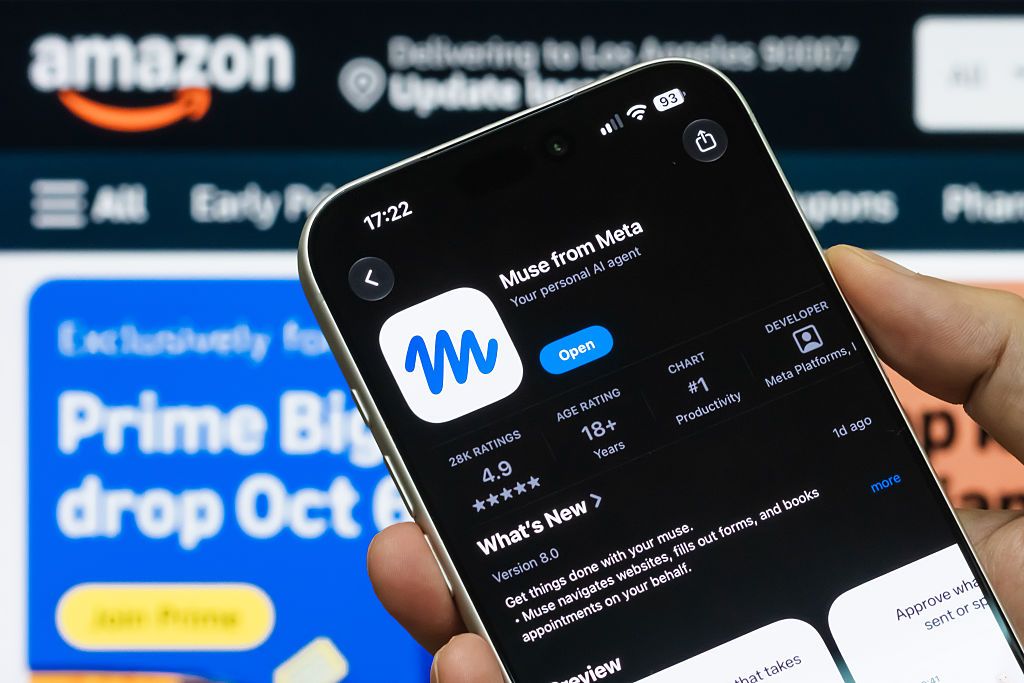
The findings come as personal AI agents gain traction among consumers. Meta reported that more than 10 million people in the U.S. and Canada set up its Muse agent within six weeks of launch, with about a quarter using it daily. Meta, OpenAI, and Anthropic are competing in the market with Muse, Dots, and Claude Duet respectively.
Researchers did not test models within the native harnesses of Muse, Dots, or Claude Duet, so the results may not reflect consumer experiences with these products today.