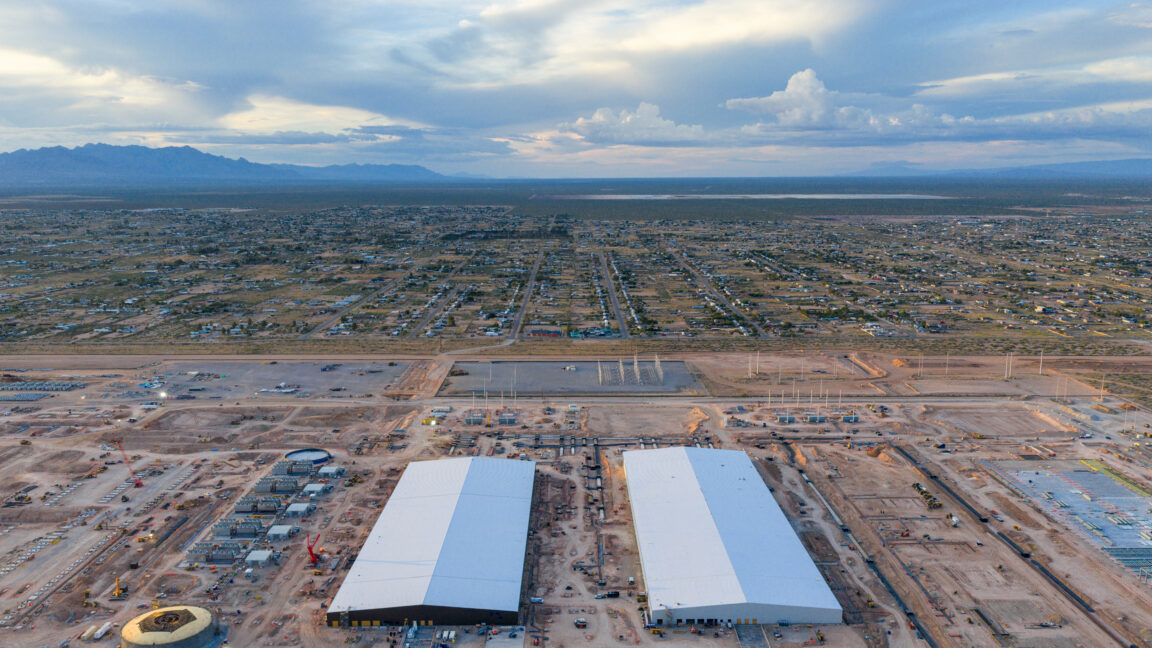
Meta said it is "re-evaluating" its 2030 net-zero emissions goal, according to its latest sustainability report released November 19, 2026. Rachel Peterson, vice president of data centers at Meta, and Blair Swedeen, global head of net zero and sustainability at Meta, wrote that the company needed to rethink timelines because "demand for AI infrastructure has grown faster than almost anyone projected."
"We are re-evaluating our timelines, sequencing, and interim milestones—including the 2030 timeframe for our net zero emissions goal and our near-term intensity targets—so our approach reflects current operating realities while keeping progress transparent year over year," Peterson and Swedeen wrote.
Meta reported its total greenhouse gas emissions surged from 15.6 million metric tonnes of carbon dioxide equivalent in 2024 to more than 21.7 million metric tonnes in 2025. That represents a nearly 40 percent increase, the highest year-over-year jump reported by any of the four major US tech giants. Microsoft reported a 25 percent increase, Google reported an 18 percent increase, and Amazon reported a 16 percent increase between 2024 and 2025.
The company attributed much of the emissions spike to "capital goods," like data center servers. Even after accounting for renewable energy projects and carbon removal technology, Meta's net emissions increased from more than 8.1 million metric tonnes to more than 11.8 million metric tonnes in 2025, a 45 percent jump.
Amazon, Google, and Microsoft have all stuck by their original sustainability goals so far. Meta's public acknowledgment of re-evaluating its timeline stands out in the competitive landscape of AI infrastructure buildout.
On water consumption, Meta reduced facility consumption from 825 million gallons in 2024 to 790 million gallons in 2025. However, water consumption from "areas with water stress" rose from 198 million gallons to 246 million gallons. Water consumption tied to purchased electricity jumped from 19 billion gallons to more than 26 billion gallons.
Data Center Dynamics noted that Meta is "the only hyperscaler to report indirect water use," a metric growing in importance as data centers shift to closed-loop cooling systems.