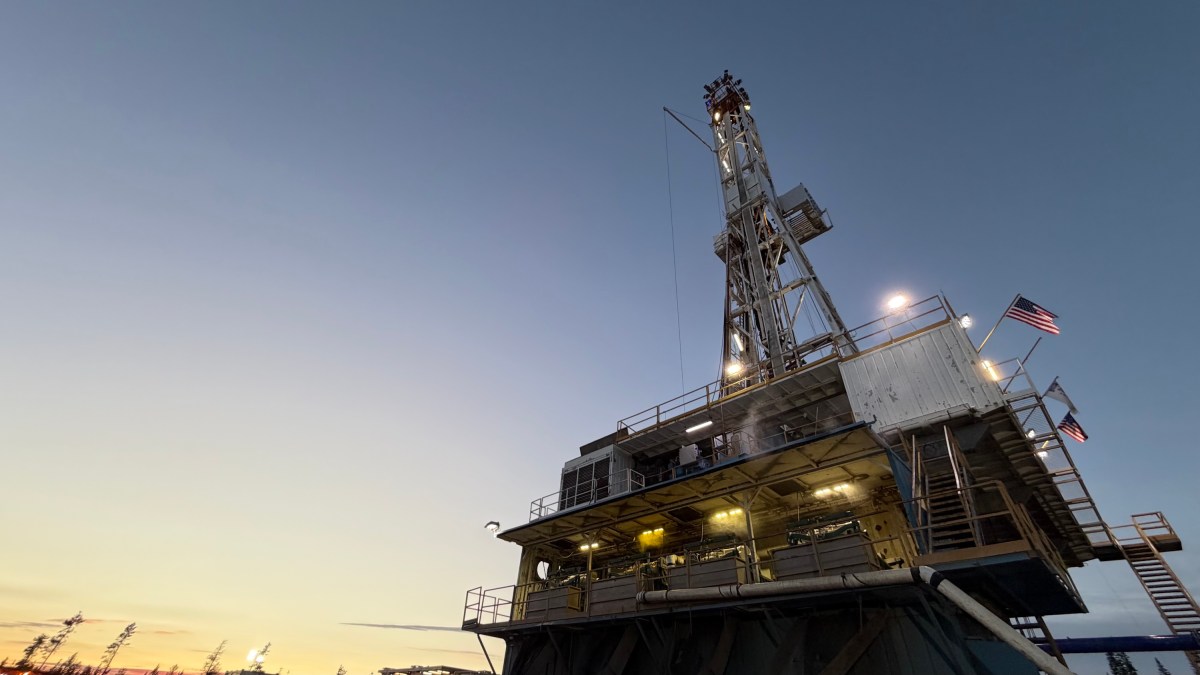
Quaise Energy secured Google as a customer this week, with the hyperscaler committing more than $500 million to purchase 50 megawatts of power from a Quaise project in central Oregon. The project will tap into heat three miles deep using super-hot rock geothermal technology.
Super-hot rock geothermal harnesses water at extreme depths where it transforms into a supercritical fluid, a gaseous-liquid state that carries tremendous energy. A single super-hot rock well could generate 15 megawatts of electricity or more.
Quaise has raised more than $270 million from investors including Prelude Ventures, Collaborative Fund, and Engine Ventures, with Vinod Khosla as an angel investor. The company's approach uses a gyrotron to bombard rock with millimeter-wave radiation starting at about 2.5 miles deep, turning rock into ash to make drilling cost-effective under extreme temperatures.
Mazama Energy, backed by Khosla Ventures, announced Monday that it developed technology to keep drill heads cool in super-hot conditions. The startup's Carbon Chill technology uses supercritical carbon dioxide instead of water-based drilling mud. CO2 flows through a valve similar to a rocket nozzle, expanding and cooling rapidly to absorb heat while removing drill cuttings. Mazama has raised $171 million from investors including Khosla Ventures, Doerr Capital, and Bill Gates.
Mazama's co-founder and CEO Sriram Vasantharajan told TechCrunch that the company drilled its second well 80 percent faster than its first, with CO2-cooling technology cutting drilling time another 20 percent.
XGS Energy received a Department of Energy grant last week to develop materials, well designs, and models to improve reliability at super-hot rock depths.