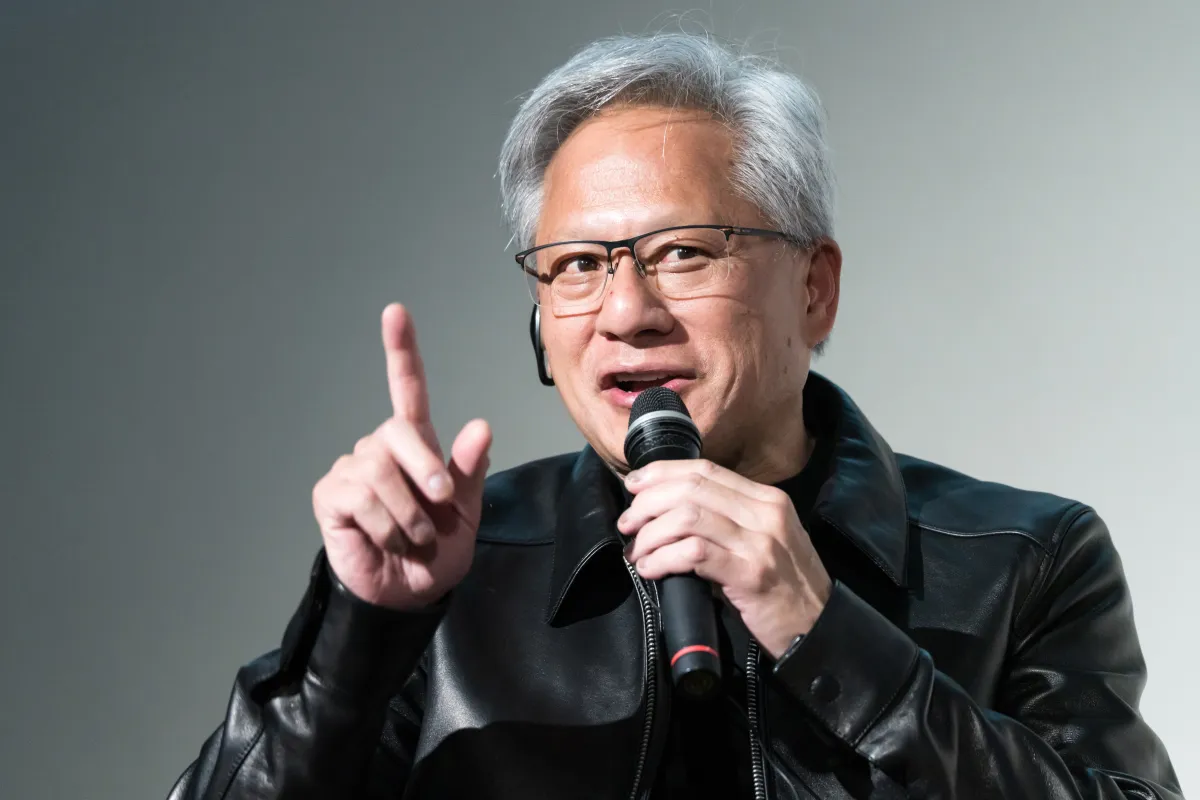
The reported plan by Nvidia's board to oust CEO Jensen Huang after 33 years represents more than a personal scandal—it's a reckoning with a governance model that has become untenable in a company of Nvidia's scale and strategic importance. Huang's admission on Sunday of an extramarital affair with a woman purported by U.S. intelligence to be a Chinese spy, followed by the New York Times report on Wednesday of another affair with an executive who reports to him, has triggered a crisis that was arguably inevitable given how tightly Huang has controlled the company.
What's striking about Nvidia's predicament isn't just the personal misconduct—it's the institutional vulnerability it has exposed. Huang has approximately 60 direct reports and famously delegates very little, concentrating decision-making power in a way that few companies at Nvidia's valuation can afford. This level of centralization creates not just succession risk but governance risk. When one person is the company, and that person faces credibility questions, the entire organization becomes destabilized. The 8% stock drop in after-hours trading on Wednesday and the 11% decline over five days reflects investor concern not just about Huang personally, but about Nvidia's lack of preparedness for this moment.
The board's reported meeting as soon as Wednesday to determine Huang's future is appropriate, but it arrives far too late. The fact that Nvidia is only now working with an outside firm to identify potential CEO replacements, as Bloomberg reported, is a damning indictment of the company's governance. For a company that designs the chips powering the AI boom—arguably the most strategically important technology sector right now—having no obvious successor or succession plan is reckless. The board should have forced this conversation years ago.
What happens next matters enormously for Silicon Valley's relationship with founder leadership. If Nvidia's board acts decisively and brings in an experienced external leader, it could demonstrate that even the most dominant founders can be held accountable. But if the board wavers or attempts to manage this crisis quietly, it will send a message that founder control supersedes governance principles. Given the intersection of Huang's personal conduct with potential national security implications—a Chinese intelligence connection at a company central to American AI competitiveness—swift, transparent action isn't optional.
Nvidia's shareholders and the public deserve clarity. The board should act decisively, communicate transparently about the leadership transition, and use this moment to implement the governance structures that should have been in place all along. Other founder-led tech companies should take note: concentrating power in one person isn't visionary leadership—it's institutional negligence.