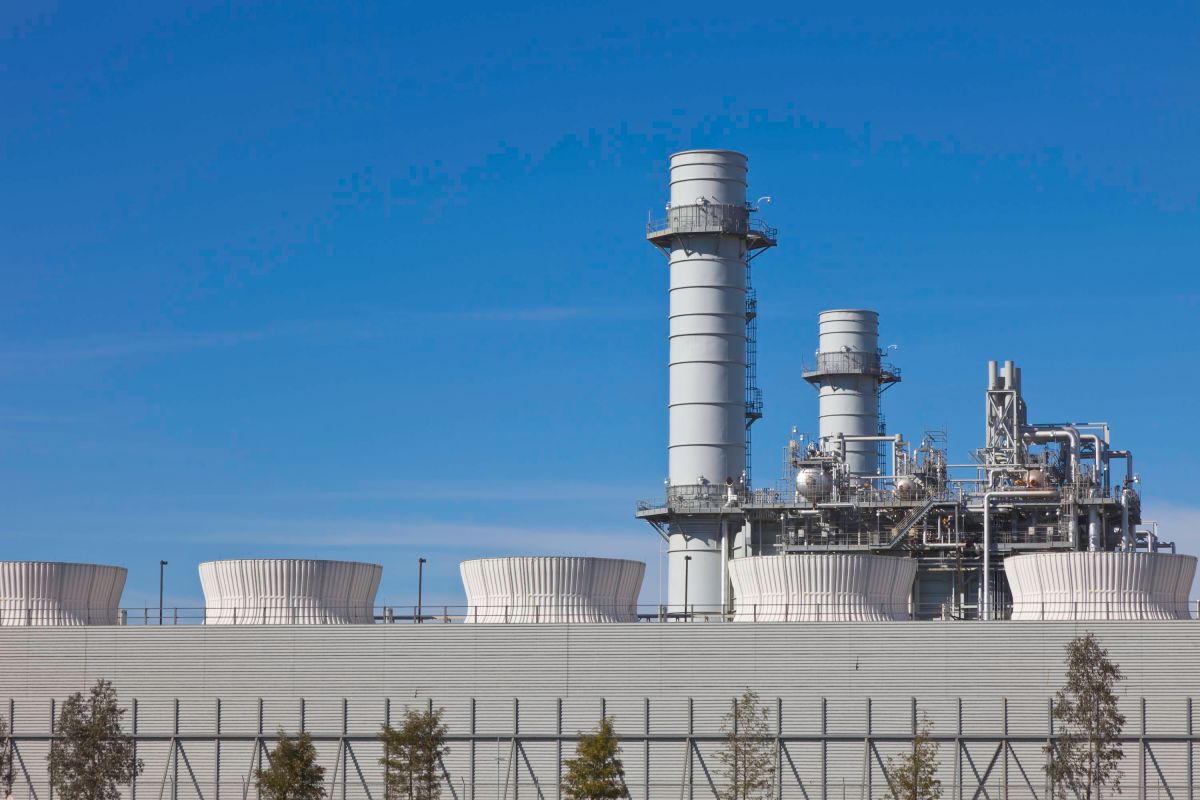
Anthropic's decision to spend $3.4 billion on Caterpillar natural gas turbines represents far more than a single company's purchasing decision—it's a warning sign that the AI industry's power demands have outpaced any reasonable expectations. A company that historically preferred to rent computing capacity, including its $1.25 billion monthly contract with SpaceX subsidiary xAI through May 2029, is now forced to own physical infrastructure. This isn't a strategic pivot. It's a desperate move born from scarcity.
The numbers tell the story. Backlog for natural gas turbines stretches into the early 2030s. Grid connection queues are equally long. Anthropic's purchase—capable of generating up to 1.7 gigawatts of electricity—bypassed even OnePWR, the original buyer, because that company couldn't secure financing. Rather than wait years for turbines or risk a competitor acquiring this capacity, Anthropic went directly to Caterpillar. This is what desperation looks like in the AI age.
Anthropic isn't alone. Google, Amazon, Microsoft, and Meta have all announced plans to build massive natural gas power plants for their data centers. The collective bet on natural gas has reinvigorated fracking across the United States. Yet this strategy carries hidden risks that few are discussing seriously enough. One analyst projects that natural gas prices could more than triple by the end of the decade in some markets. Anthropic may have just locked in massive infrastructure costs at precisely the wrong moment in the commodity cycle.
If U.S. data centers alone consume more natural gas than Germany and Japan combined by 2035—as projections suggest—we're witnessing a fundamental reshaping of energy markets driven by a handful of AI companies. This concentration of power, both literal and economic, deserves scrutiny. When companies like Anthropic are forced to own turbines because the market cannot supply their needs through normal channels, we should ask whether the current trajectory is sustainable.
The real question isn't whether Anthropic made the right choice—given the constraints, it probably did. The question is whether an industry this dependent on immediate power availability while facing a decade-long hardware backlog has thought through the consequences. Anthropic's $3.4 billion purchase looks less like confidence in the future and more like insurance against an infrastructure crisis that nobody wants to admit is already here.