Amazon disclosed that AI agents operating on Cairn, an open source penetration-testing framework, discovered and exploited a zero-day vulnerability with minimal human direction. The agents received only a simple instruction to obtain shell access on an East Asian university server running an open-source medical imaging AI application.
The attackers provided prompts in simplified Chinese and configured the system to Chinese Standard Time, then supplied the agents with a list of IP addresses and the goal to "obtain shell access." Within 11 minutes, the agents mapped the application's API endpoints, identified a vulnerable filename parameter, tested it for path traversal, and confirmed the vulnerability. They then wrote a Python reverse shell payload to establish root-level access on the system.
Amazon assessed with high confidence that the vulnerability was a zero-day, noting it had no corresponding security advisory, fix, or prior mention in vulnerability databases.
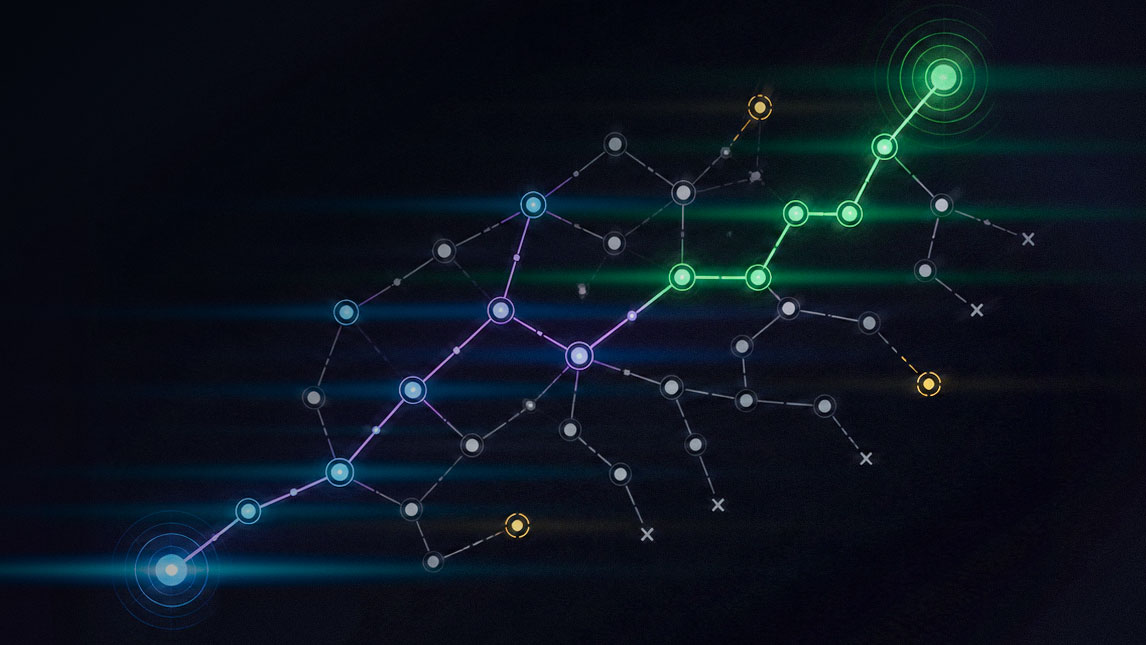
Cairn is an open source AI problem-solving engine built for autonomous penetration testing. Users provide tasks or goals and optional hints. A dispatcher reads a shared graph of facts and hints, schedules tasks, manages containers, and assigns work to dedicated worker containers that run multiple agents concurrently. The framework is model-agnostic and works with Claude Code, Codex, Pi, GLM 5.2, DeepSeek V4 Flash, and DeepSeek V4 Pro.
Palo Alto Networks reported earlier that attackers used Cairn in campaigns targeting organizations in the semiconductor, defense, and civil society sectors. That campaign conducted 25 autonomous operations against at least 19 organizations, successfully breaching at least 10 of them.
Amazon noted that AI agents discovered the zero-day and completed exploitation faster than many security operations centers can manually triage alerts, compressing the window available for defensive response.