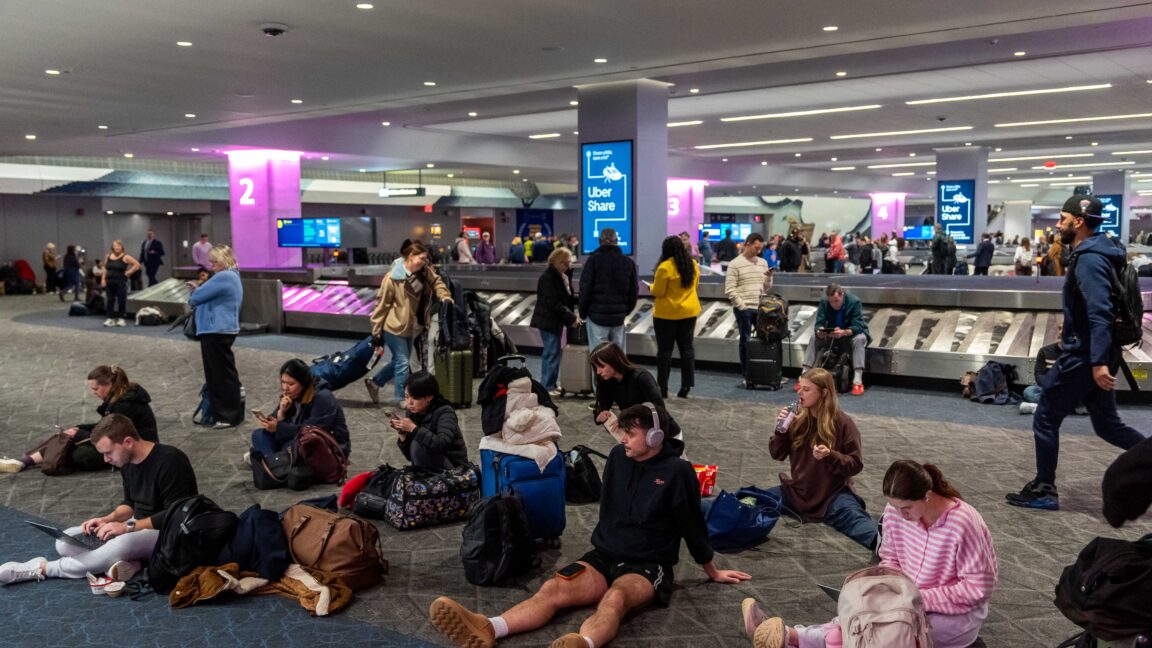
The US government will announce the root cause of a nationwide FAA ground stop that blocked flight departures on November 13, with Transportation Secretary Sean Duffy expected to announce findings at a news conference on November 20, according to FAA Administrator Bryan Bedford.
The outage grounded more than 12,000 flights that day and impacted over 1 million passengers for more than four hours. The number of canceled flights rose to more than 20,000 over the weekend.
An FAA investigation identified excessive data flooding the FAA Telecommunications Infrastructure network at a rate of 1,000 connection attempts every 4 to 5 seconds. The flooding caused instability with aircraft communications and radar feeds at 17 of the 22 Air Route Traffic Control Centers and several Terminal Radar Approach Control facilities.
L3Harris, the FAA's network service provider, was installing a new Juniper Networks router to replace a 25-year-old Cisco router at a radio communications site in El Dorado, Arkansas when the incident occurred. L3Harris had recently installed a similar router at a radar site in Amarillo, Texas. The FAA paused further Juniper router installations and disabled those already installed, reverting to the older Cisco routers.
The Professional Aviation Safety Specialists union representing FAA technicians said none of its members were involved in the upgrades. CNN reported that an L3Harris engineer performed the router replacement at El Dorado without direct FAA oversight, with an FAA technician only escorting the contractor into the facility.
Philip Mann, a former FAA employee who worked as a technician and later as a training program manager at the FAA Academy, told Ars Technica that basic risk management principles appear absent. Mann noted the work should have been scheduled at night when traffic is lower given the nationwide network impact. He also pointed out that the router was "immediately adjacent to all 22" air route traffic control centers despite being at a remote physical location.