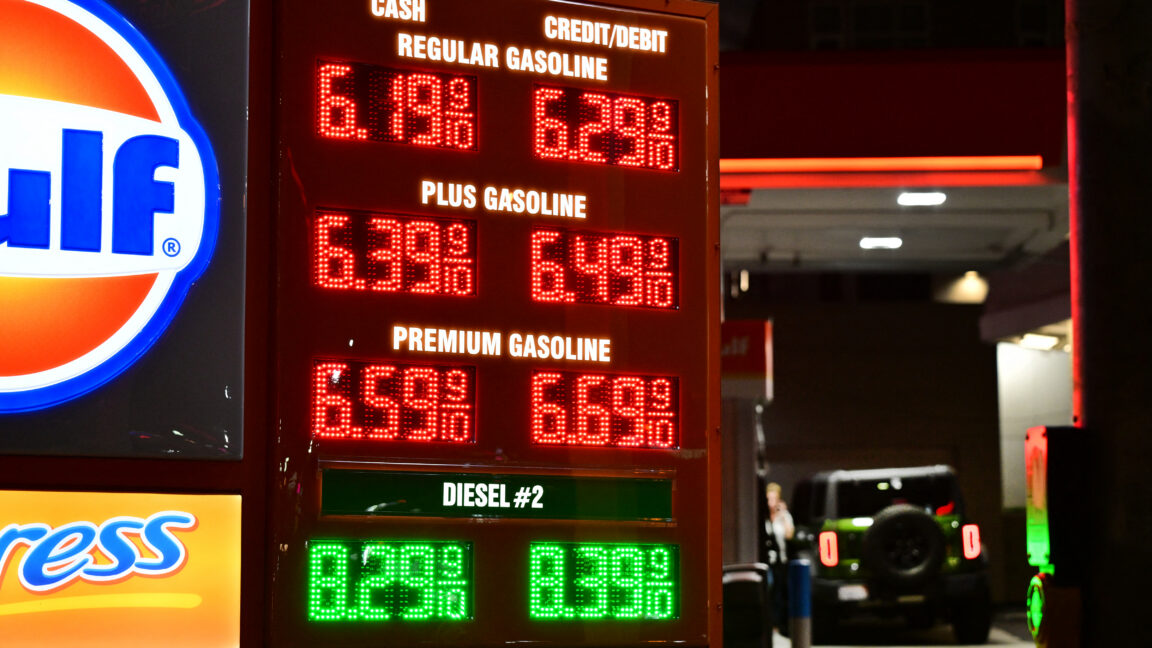
Fossil fuel emissions fell 0.4 percent in 2026, according to a new analysis led by Corinne Le Quéré at the University of East Anglia. The researchers attribute the decline to high oil prices driven by the war in Iran, not to progress on climate action.
The Global Carbon Project, which the team manages, found that oil emissions dropped 1.9 percent while natural gas fell 0.3 percent. Coal emissions rose 0.6 percent. Last year, fossil fuel emissions had increased 1.2 percent.
Unlike the 2020 pandemic-driven drop, this year's decline did not stem from decreased energy demand. Demand actually grew, but electric vehicles and solar and wind generation offset almost 70 percent of that growth. High oil prices accounted for most of the 1.9 percent drop in oil emissions, while electric vehicles explained only about 20 percent of it.
Between 2019 and 2025, 59 countries cut emissions despite economic growth while global emissions rose 0.8 percent per year. Without the growth of electric vehicles and renewable energy, global emissions would have increased 1.9 percent annually during that period, the researchers estimated.
Projecting forward using International Monetary Fund GDP forecasts through 2028, the team expects global fossil fuel emissions to continue rising. Without the shock to oil prices, 2026 would show emissions growth as well.
The researchers wrote in Nature Climate Change, "If further acceleration of clean technology deployment can be supported through time, a sustained peak and decline in global CO 2 emissions could be a few years away."