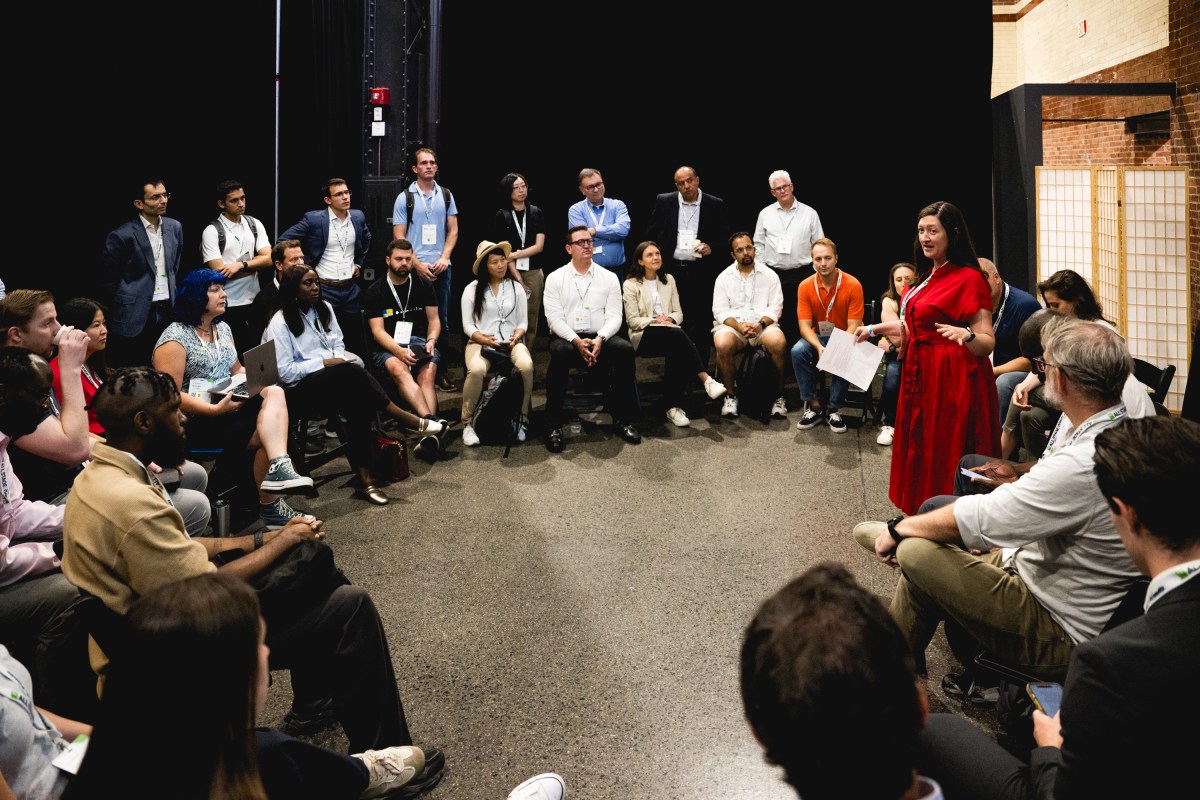
TechCrunch is hosting its 2026 Founder Summit in Boston on November 4 at SoWa Power Station, positioning the event as a forum for founders, investors, and operators to engage in direct conversations about real-world startup challenges. The summit departs from typical conference formats by emphasizing roundtable discussions designed for substantive, off-the-record dialogue rather than stage-heavy programming.
The event structure centers on smaller breakout sessions where founders can tackle specific problems they're actually encountering. Rather than broad keynotes, attendees participate in targeted roundtables that drill into concrete issues. This format reflects a broader shift in founder events away from polished presentations toward peer-to-peer problem solving. Operators and experienced founders share tactical approaches to challenges like go-to-market strategy, fundraising dynamics, talent retention, and product development obstacles.
The summit bundles traditional conference components alongside these deeper sessions. Live pitching provides early-stage founders exposure to investors in the room. General networking sessions create baseline connections. But the roundtable model offers the differentiation. Founders often report that the most useful conference time happens in hallways and side conversations, not at main stage events. TechCrunch is formalizing what works by building the summit structure around these smaller discussions.
Boston as the venue carries strategic weight. The city hosts a mature venture ecosystem anchored by MIT, Harvard, and a dense cluster of biotech, enterprise software, and healthcare startups. The region produces founders at scale and attracts investor capital from multiple geographies. SoWa Power Station, a converted power plant in the Seaport District, reflects Boston's transformation into a modern startup hub while offering the intimate space smaller roundtables require.
The timing matters as well. Founders heading into late 2026 and 2027 face evolving market conditions. Interest rate trajectories, venture capital deployment patterns, and shifts in what investors prioritize all influence startup strategy. A November event captures founders at a planning inflection point. They're setting OKRs for 2027, reassessing board-level capital plans, and evaluating team structure. Peer input becomes more actionable during this cycle.
TechCrunch's positioning here connects to its broader editorial mission. The publication covers startups daily, interviewing founders, analyzing deals, and tracking trends. Hosting an event weighted toward founder candor lets TechCrunch deepen relationships with its core audience while validating its theory that founders want less theater and more substance from events. The roundtable model also generates content opportunities. Themes and insights from discussions can fuel stories, while founder testimonials reinforce TechCrunch's credibility as a founder-centric media brand.
The event competes in a crowded founder conference space. Y Combinator's Demo Day, Web Summit, and various investor conferences all attract founders. TechCrunch Founder Summit differentiates by focusing on peer learning and practical problem solving rather than speaker marquee or scale. For founders looking to solve concrete challenges, hear from peers in similar positions, and connect with operators who have navigated similar transitions, the roundtable structure offers direct value. The smaller, focused format also feels more accessible than massive multi-track conferences.