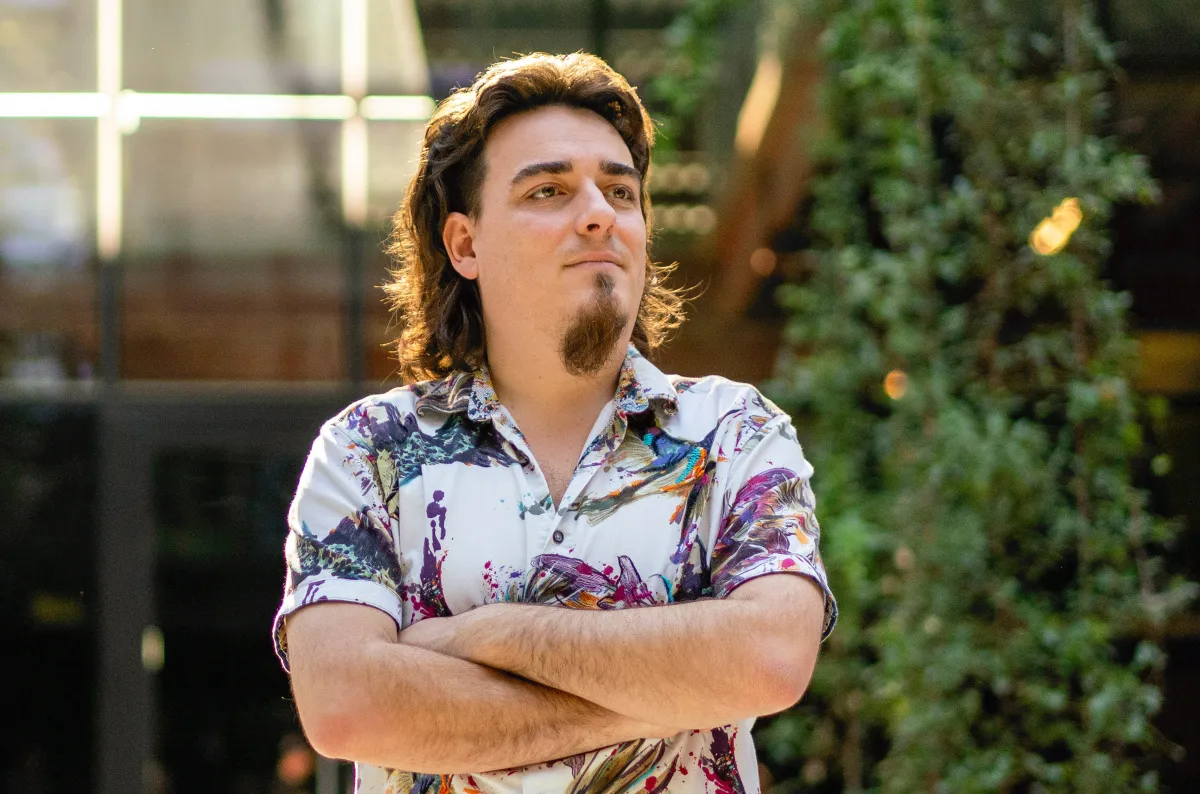
Palmer Luckey, the billionaire founder of Oculus VR and current CEO of Anduril Industries, is staying put in California despite the state's controversial wealth tax, bucking the exodus of high-net-worth individuals fleeing the Golden State.
The wealth tax, which targets residents with net worth exceeding $5 million at a 2% annual rate, has prompted numerous billionaires and venture capitalists to relocate. Luckey's decision to remain represents a notable countertrend, particularly given his libertarian political leanings and vocal skepticism of government overreach.
"It's causing a lot of people to run who I don't want to be running," Luckey told TechCrunch. "But I'm planning on staying in California. I'm going to keep fighting it."
His commitment to California carries weight beyond personal choice. Luckey co-founded Anduril Industries, the defense-focused drone and AI startup valued at $8 billion, in Irvine, California, in 2017. The company develops autonomous systems for national security applications and competes directly with larger defense contractors. Anduril has raised significant capital from venture firms including Andreessen Horowitz and Founders Fund, backed by Peter Thiel, another notable Silicon Valley figure who relocated to Los Angeles.
The wealth tax battle reflects broader tensions between California's progressive tax structure and the technology sector's entrepreneurial class. Some founders view wealth taxation as economically destructive, arguing it forces capital flight and undermines reinvestment in the state. Others, including Luckey, appear willing to stay and contest the policy through political channels rather than voting with their feet.
Luckey's position differs markedly from other tech heavyweights. Elon Musk relocated to Texas in 2020, partly citing California's regulatory environment. Marc Benioff, Salesforce's CEO, has remained but expressed frustration with state policies. Investors like Jason Calacanis have moved to Miami and other low-tax jurisdictions, viewing the shift as both personal and strategic for their fund operations.
For Anduril, Luckey's California base provides access to engineering talent, supply chains, and proximity to U.S. government facilities across the West Coast. The company operates across multiple locations, but its core engineering remains California-based. A relocation would complicate recruitment and operational continuity.
Luckey's willingness to fight the wealth tax rather than flee also signals confidence in his political influence. As a major donor to Republican and libertarian causes, with reported ties to conservative policy circles, Luckey may believe legal challenges or legislative reversal offers a more attractive path than exit.
The wealth tax faces ongoing constitutional questions. Opponents argue it violates the Sixteenth Amendment by taxing wealth rather than income. Multiple lawsuits are pending in federal courts, creating uncertainty about the tax's longevity. This legal ambiguity may factor into Luckey's calculus.
His public stance offers cover for other founders considering similar decisions. The narrative that some billionaires view California as worth the cost sends a different message than universal flight. Whether this represents principled commitment or pragmatic business calculation remains debatable, but Luckey's choice to stay and fight positions him as an outlier in an era of tech exodus.