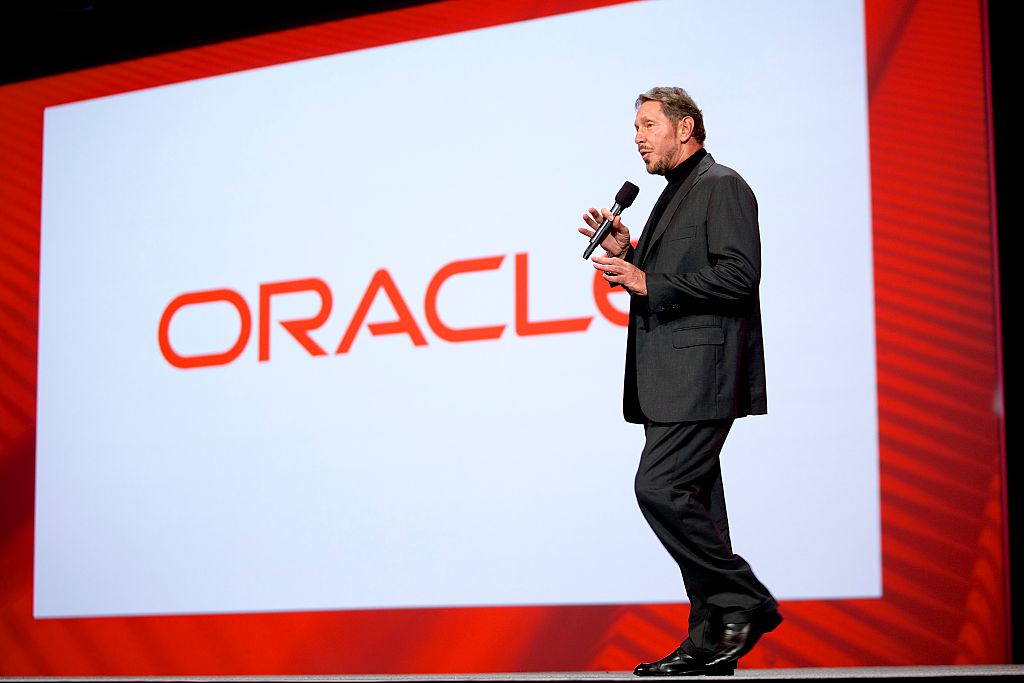
Larry Ellison has canceled a planned $7.5 billion stock sale, reversing a previously disclosed plan to divest 50 million Oracle shares. The Oracle founder and chairman had announced the sale months earlier but pulled the plug before executing the transaction.
The decision reflects shifting market conditions and Ellison's changing view of Oracle's trajectory. Oracle shares have performed well recently, with the stock climbing on the back of strong cloud infrastructure demand and the company's aggressive push into AI-powered database and enterprise software solutions. Ellison controls roughly 35% of Oracle through various holdings, making him one of the world's wealthiest individuals with a net worth tied heavily to the company's valuation.
The canceled stock sale carries real signaling power in markets where founder moves are closely watched. When billionaires announce intention to sell company shares, it often raises questions about their confidence in future performance. Conversely, canceling such a sale suggests renewed conviction. Ellison's decision to hold comes as Oracle navigates a competitive landscape where cloud rivals Amazon Web Services and Microsoft Azure have dominated infrastructure spending, though Oracle has steadily gained ground with its Autonomous Database products and recent AI initiatives.
Ellison founded Oracle in 1977 and built it into one of the world's largest enterprise software companies. He stepped back from the CEO role in 2010 but remained executive chairman, maintaining significant influence over strategy. The company has made strategic bets on AI infrastructure, cloud services, and healthcare technology, positioning itself as a counterweight to hyperscalers betting big on generative AI workloads.
The timing of the cancellation matters. Oracle stock has benefited from broader investor appetite for AI-exposed enterprises, particularly those serving enterprise customers. The company's latest earnings reports highlighted strong cloud revenue growth and expanding margins in its infrastructure business. These fundamentals likely influenced Ellison's decision to retain his position rather than reduce exposure.
Oracle competes in multiple markets including database software, enterprise applications, and now cloud infrastructure. The company has invested heavily in competing with AWS and Azure on AI-optimized computing, a space where demand continues expanding. Holding Oracle shares through this expansion period positions Ellison to benefit directly if the company's AI bets pay off.
The canceled sale also reflects practical considerations around tax planning and capital allocation. Large founder share sales typically occur for diversification or liquidity purposes, but they can trigger significant tax liabilities. Ellison's decision to retain the position suggests he sees greater upside from holding than from deploying that capital elsewhere or rebalancing his portfolio.
Oracle remains one of the largest companies by market capitalization, with deep roots in enterprise technology. The canceled stock sale represents Ellison's continued confidence in management's execution and the company's ability to compete in AI-driven infrastructure markets. For investors watching founder moves as signals about internal confidence levels, the cancellation sends a clear message.