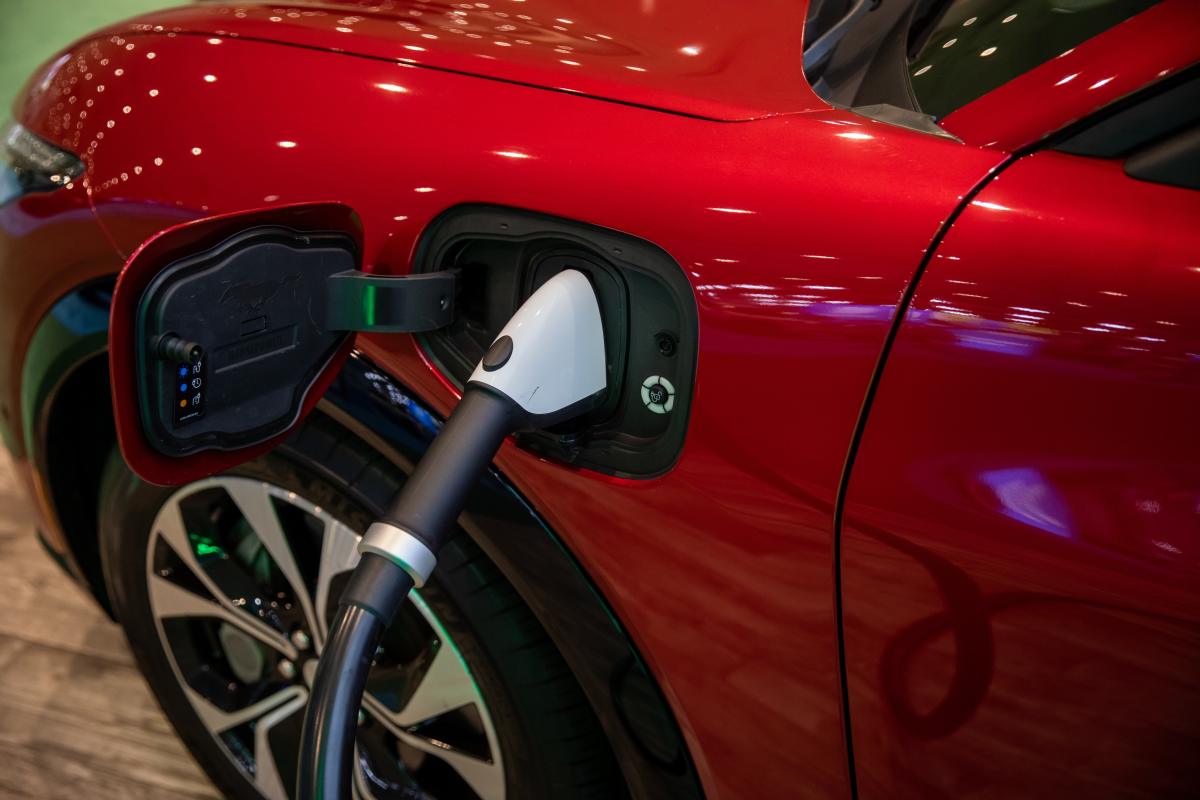
Electric vehicle charging infrastructure in the U.S. has crossed a critical threshold. A 600-mile road trip conducted by TechCrunch demonstrated that DC fast charging networks now work reliably enough to eliminate range anxiety on long drives, a persistent barrier to EV adoption.
The test revealed chargers are faster, more abundant, and better maintained than they were just two years ago. Tesla's Supercharger network, still the most extensive and dependable option, now shares road-trip relevance with expanding competitors like Electrify America, EVgo, and ChargePoint. Charging times have dropped to 20-30 minutes for meaningful range on newer vehicles, narrowing the gap between gas fill-ups and EV refueling.
The infrastructure improvements stem from two factors. First, federal funding from the Inflation Reduction Act and the Bipartisan Infrastructure Law accelerated deployment across rural corridors. Second, competition intensified as non-Tesla networks improved reliability and app functionality. Charger downtime, historically a sore point, has declined substantially.
The real-world test mattered because perception lags reality in the EV market. Early adopters endured frequent charger outages, confusing apps, and payment inconsistencies. That friction shaped consumer thinking even as the networks improved. This road trip provided tangible proof that long-distance EV travel is now viable without exceptional patience or planning.
For startups in the charging space, the data confirms market viability. Companies building fleet charging solutions, load balancing software, or specialized chargers for apartment buildings and workplaces now operate in a landscape where the infrastructure narrative has shifted from "will it work" to "where can we optimize it." Investors see less binary risk.
The charging story also reflects broader EV momentum. General Motors, Ford, and legacy automakers ramping production need functional charging ecosystems or their sales