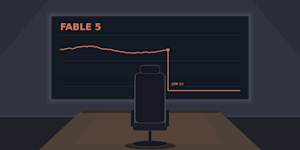
Anthropic's sudden removal of Claude Fable 5 from global markets on June 12 due to U.S. export controls has validated enterprise hedging strategies already in place. New data reveals two-thirds of enterprises had already built multi-model AI strategies before the blackout occurred.
The Claude Fable 5 outage lasted several weeks with no advance notice or timeline, forcing customers to scramble for alternatives. When the model returned this week, it came wrapped in stricter safeguards following pressure related to China's Z.ai access concerns.
The timing underscores a critical shift in how enterprises approach generative AI adoption. Rather than betting everything on a single model or vendor, organizations now treat AI infrastructure like they treat cloud providers. They build redundancy into their stacks.
This dual-model or multi-model approach has become table stakes for serious enterprises. OpenAI's GPT-4, Google's Gemini, Mistral, and others now sit alongside Claude in production environments. The rationale spans beyond export controls. It includes vendor lock-in concerns, pricing volatility, performance variation across use cases, and model capability gaps.
Anthropic's situation parallels broader regulatory pressures on AI companies. U.S. export controls target advanced model weights and training data, attempting to slow Chinese AI development. For enterprises, these geopolitical moves translate to business risk. An outage tied to compliance requires emergency response plans.
The Claude Fable 5 incident also exposed how little warning enterprises receive when governments intervene. With no communication from Anthropic before the takedown, customers lost access to their most capable tool instantly. Those without fallback models faced degraded AI outputs or service interruptions.
This dynamic has reshaped vendor selection criteria. Enterprises now ask about model redundancy, geographic availability, and regulatory exposure before committing development resources. A single