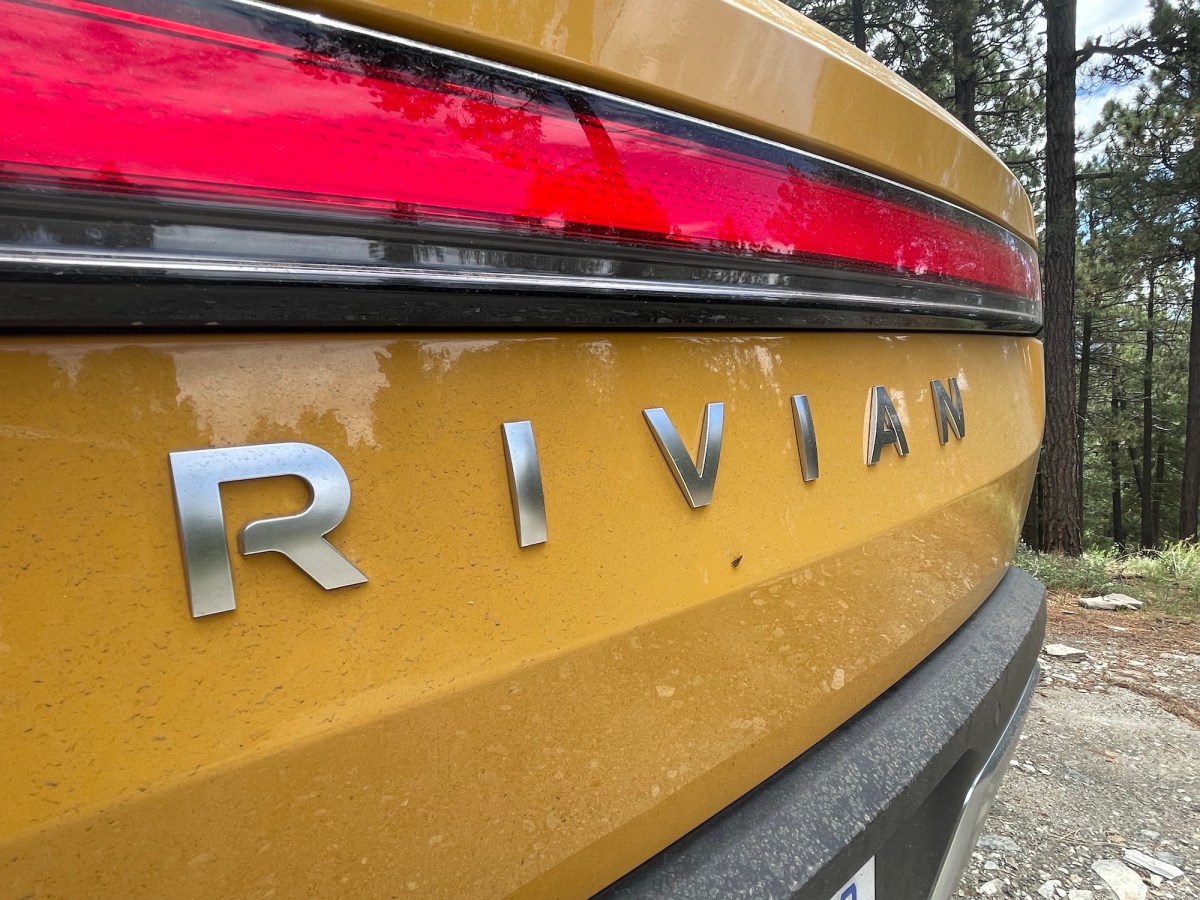
Rivian faces a class-action lawsuit from vehicle owners who claim the electric vehicle maker broke promises on autonomous driving capabilities. Plaintiffs allege that Rivian repeatedly assured customers its first-generation R1 vehicles would gain hands-free driving features, but failed to deliver on those commitments.
The lawsuit centers on whether Rivian made specific, binding promises about autonomous functionality during the sales process and in marketing materials. R1 owners argue they purchased vehicles expecting self-driving technology that never materialized, creating a gap between what was promised and what was actually delivered.
This marks a growing pattern of EV makers facing legal pressure over autonomous driving claims. Tesla has faced similar litigation from owners dissatisfied with Autopilot and Full Self-Driving capabilities, while other manufacturers have become more cautious about publicizing future autonomous features without clearer timelines.
Rivian launched R1 deliveries in September 2021, initially targeting 2023 for its Driver+ hands-free feature. The company has since pivoted focus toward launching its more affordable R2 vehicle and managing cash burn as it scales production. The shift in priorities may have contributed to delays on autonomous features for early R1 owners.
The timing of this lawsuit coincides with broader skepticism in the auto industry around self-driving promises. Waymo has demonstrated genuinely driverless robotaxi technology in limited cities, yet full autonomous vehicles remain years away for mass-market vehicles. Most major automakers now use more measured language when discussing autonomous features, distinguishing between driver-assistance systems and true self-driving capabilities.
For Rivian, this lawsuit adds another headwind. The company has burned through substantial capital developing the R1 lineup while racing to launch the R2 and expand manufacturing. A class-action verdict could force settlements or refunds, straining finances further. The case also risks damaging customer trust at