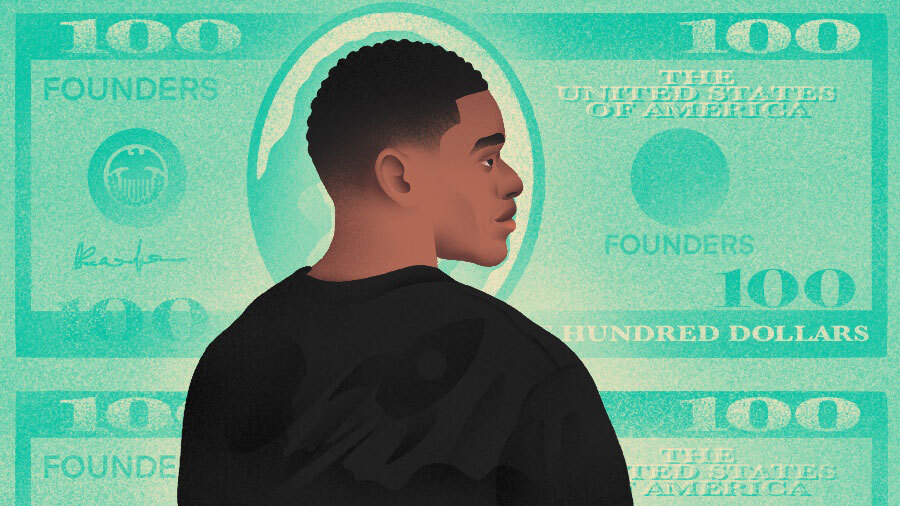
Black founders frustrated by venture capital's systemic exclusion have shifted gears to become investors themselves, aiming to reshape funding distribution in the startup ecosystem. Crunchbase News interviewed two former founders who redirected their entrepreneurial experience toward writing checks, seeking to address the stark disparity in capital allocation.
The statistics tell a stark story. Black founders consistently receive a fraction of venture funding compared to their white counterparts, a pattern that persists despite years of diversity pledges from major firms. Rather than accept this reality, these founders leveraged their operational experience and networks to enter the investment side, positioning themselves to back founders who face similar obstacles they encountered.
Their transition reveals a structural problem embedded in venture capital's partnership model and LP base. Traditional VC firms often lack partners with lived experience navigating fundraising while Black, and this gap perpetuates self-replicating founder demographics. By becoming investors, these founders gain decision-making power over capital deployment.
The founders-turned-investors bring distinct perspectives to deal evaluation. They recognize founder quality signals that mainstream VCs might overlook, understand market gaps serving underserved communities, and appreciate resilience built through marginalization. This shifts how they assess founders and opportunities, opening capital to founders traditional investors dismiss.
This trend reflects broader movement within venture capital. Firms like Collab Capital, Precursor Ventures, and others have explicitly centered investing in underrepresented founders. However, individual founder-investors amplify this effort, creating a network effect of capital flowing toward excluded communities.
The challenge ahead remains substantial. While founder-investors expand access for some, systemic change requires LP education and pressure on established firms to diversify their decision-makers. The venture capital industry controls trillions in capital deployment, and meaningful equity requires transformation across all layers, not just alternative firms on the margins.
These founders-turned-investors demonstrate that capital isn't the limiting factor for Black