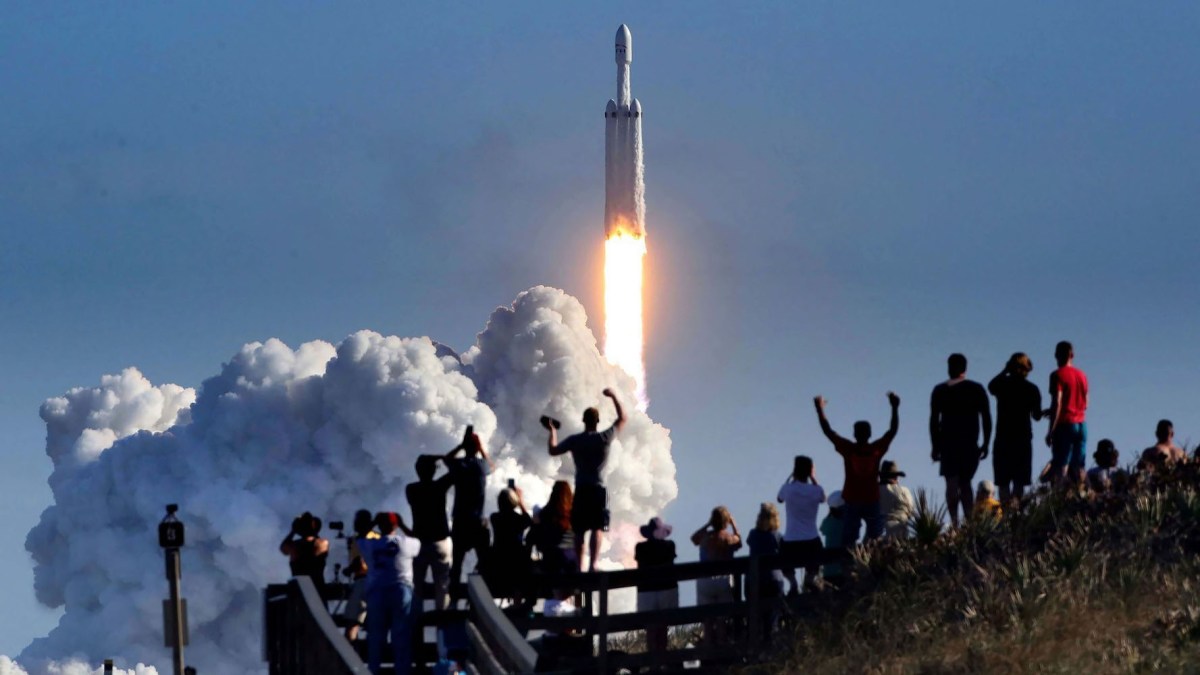
SpaceX hit a $2.6 trillion valuation after its shares began trading on Friday, briefly surpassing Amazon's market cap. The aerospace company added $1 trillion in value since trading commenced, marking one of the fastest valuation jumps in private market history.
The spike reflects investor appetite for Elon Musk's space ambitions. SpaceX operates the Starship rocket program, Starlink satellite internet service, and manages cargo resupply missions to the International Space Station. The company has demonstrated reusable rocket technology that undercuts traditional launch costs, making space more accessible.
Starlink drives much of the valuation momentum. The service reaches over 3 million subscribers globally and generates recurring revenue streams absent from traditional aerospace contractors. SpaceX also secured a $5 billion NASA contract for lunar lander development under the Artemis program, cementing its role in government space infrastructure.
The trading activity represents a shift in how private investors value space ventures. Unlike traditional aerospace firms anchored to defense contracts, SpaceX combines commercial, government, and infrastructure revenues. The company's vertical integration, manufacturing rockets and satellites in-house, reduces dependencies on suppliers and boosts margins.
Comparisons to Amazon underscore investor sentiment around transformative tech platforms. Both companies operate across infrastructure, logistics, and emerging markets. SpaceX's brief overtake of Amazon's valuation signals how investors view space connectivity and launch services as foundational utilities for the next decade.
However, sustained trading will test whether the valuation sticks. Initial trading frenzies often cool as institutional investors adjust positions. SpaceX faces execution risks around Starship commercialization, Starlink profitability timelines, and regulatory approval for expanded satellite constellations.
The company remains privately held with restricted shareholder bases, making these valuations derived from secondary market trading rather than public offerings. M