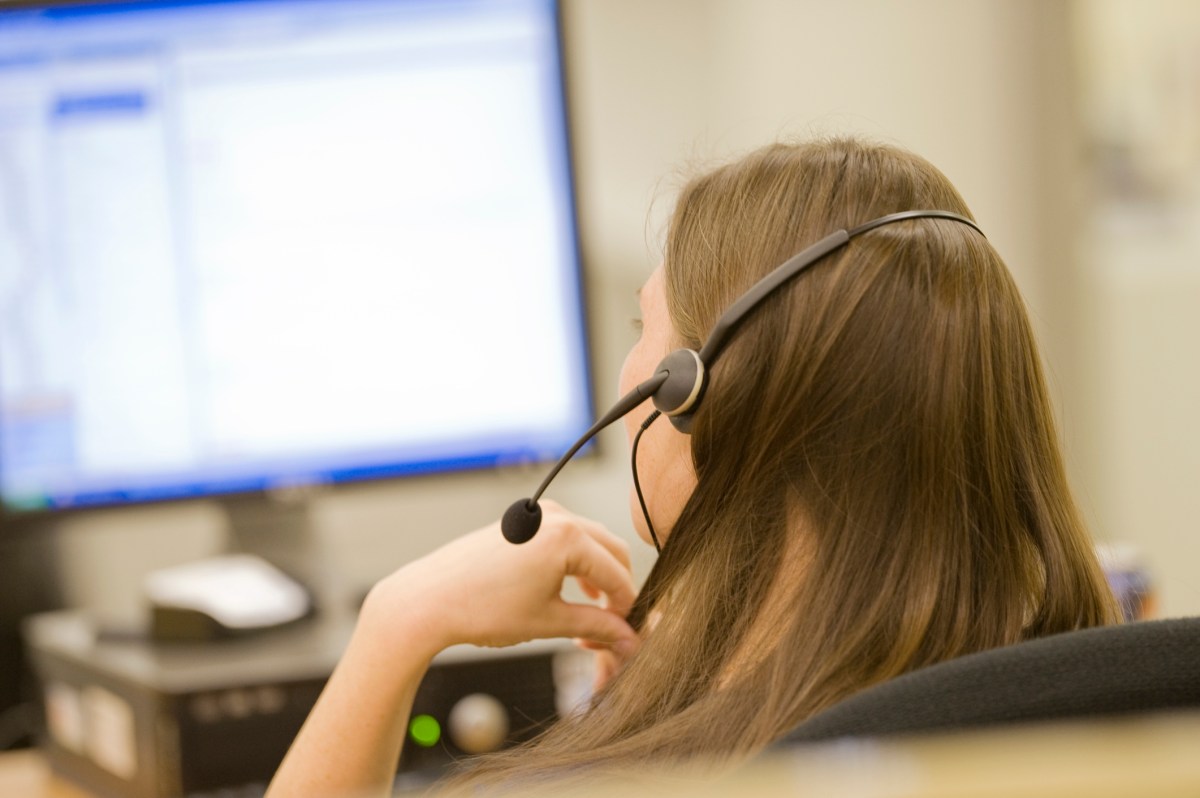
The office is about to get louder and more fragmented as workers increasingly rely on voice-activated AI assistants and conversational interfaces. This shift presents a fundamental design challenge for workplace environments built around quiet, focused work.
Companies are grappling with the practical implications of voice-first computing. As employees spend more time speaking to AI systems rather than typing, open office layouts and shared workspaces face acoustic chaos. The "whisper office" concept acknowledges that constant verbal interaction with machines creates ambient noise that disrupts concentration and collaboration.
This transformation touches multiple layers of workplace infrastructure. Real estate decisions, acoustic engineering, and team dynamics all shift when voice becomes the primary interface. Workers conducting voice searches, dictating emails, or having conversations with AI agents simultaneously create overlapping audio streams that traditional office design cannot handle.
The competitive landscape favors companies that solve this problem early. Startups focusing on acoustic solutions, spatial computing interfaces, or workplace software optimized for voice interaction stand to capture significant value. Enterprise software vendors racing to integrate conversational AI must also consider how their tools perform in noisy, multi-person environments.
Privacy concerns compound the acoustic challenge. When workers routinely speak sensitive information aloud to AI systems, office security becomes harder to maintain. Startups and established firms are exploring soundproof pods, directional audio technologies, and spatial computing solutions that could isolate voice interactions without requiring full isolation.
The office of the future likely fragments into distinct zones. Quiet focus areas coexist with designated voice-interaction spaces, creating a more intentional workplace layout. Companies like Google, Meta, and OpenAI continue investing in voice AI improvements, suggesting this transition accelerates regardless of current workplace norms.
This shift favors founders building acoustic solutions, workplace design software, and enterprise tools designed for voice-first workflows. The companies that crack how to make voice computing productive in shared spaces will define the next generation of workplace