# Post-Crash VC Market Shifts to Efficiency and Profitability
The venture capital landscape has fundamentally changed after the 2022 downturn. VCs now prioritize unit economics and path to profitability over growth-at-all-costs narratives that dominated the previous decade.
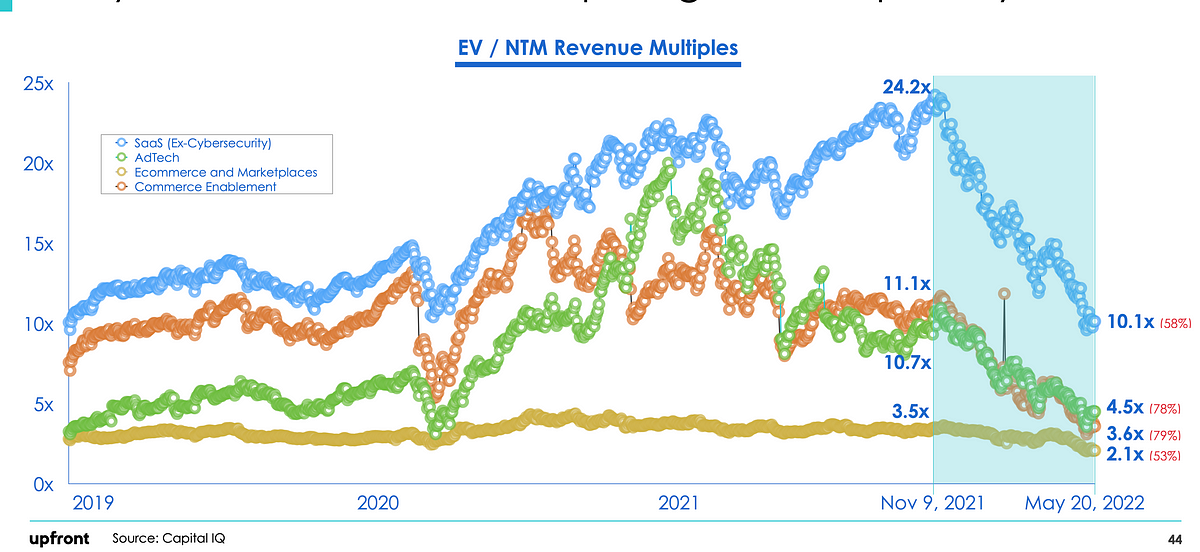
Founders face tougher fundraising conditions. Venture firms deploy capital more conservatively, conducting deeper due diligence and demanding clearer revenue trajectories. Valuations have corrected downward across most sectors, particularly in software and consumer startups that inflated during the boom years.
This correction benefits disciplined operators. Companies that built sustainable business models weather the downturn better than their cash-burning peers. VC partners increasingly back entrepreneurs with operating experience and proven ability to manage unit economics rather than first-time founders with flashy pitches.
The market opportunity remains substantial for founders adapting to new realities. Those who build lean, capital-efficient businesses attract investor interest quickly. Series A rounds now favor companies with lower burn rates and clear customer acquisition costs. Software-as-a-service and B2B companies demonstrate resilience compared to consumer platforms.
Capital availability hasn't disappeared. Top-tier VCs still deploy billions annually, but the bar for investment has risen. Founders must demonstrate real traction, not just theory.